

Where to Begin
Simplest Documents You Will Ever Sign
A Will is one of the simplest documents you Will ever sign.
It records your wishes — clearly, formally, and with legal standing.
It names the people you trust.
It describes how things should be shared.
It removes doubt.
And yet — most people delay.
Not because the process is difficult, but the emotional weight of thinking about it feels heavy. That is normal. That is human.
But the act of writing a Will is not about confronting mortality, it is about protecting the people you love — while you still can.
Where To Begin
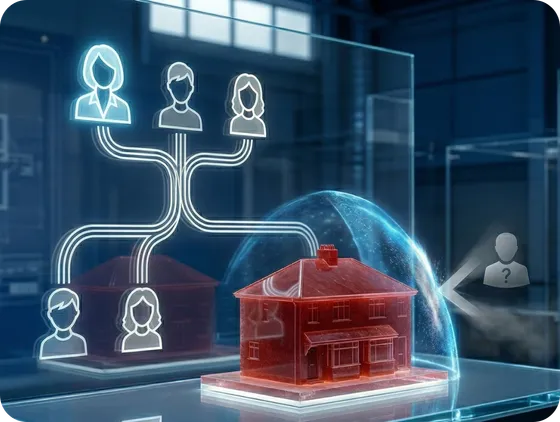
It starts with a list of names.
The people who matter.
The people you want to benefit.
The people you trust to carry things through.
What you own. How you want it shared.
Who should manage the process.
What should happen if circumstances change.
That is all a Will really is — a set of clear instructions, written down.
Why Does Starting Feel Harder Than It Is?
Think of it like going to the gym for the first time, the idea of it feels bigger than the reality. You imagine it Will be complicated — that you need to know everything before you begin, but you don't. You just need to show up.
The athlete didn't start as an athlete, they started by walking through the door. A Will is the same, you don't need all the answers on day one, you just need to begin the conversation.
Bringing it Back to Simplicity
A Will does not need to be complicated. For most people, it is a short, clear document — written in plain language, signed properly, and stored safely.
It gives your family clarity.
It gives your executors authority.
It gives your wishes legal weight.
Without one — the rules decide for you, and those rules may not reflect what you would have chosen.
What a Will Usually Covers
Who benefits from your estate
How it is shared between them
Specific gifts — items, money, or property left to named people
The remainder of the estate — everything else, after gifts and debts
Who administers the estate (your executors)
What happens if circumstances change — such as a beneficiary passing before you
Key roles explained
Executors
An executor is the person you trust to carry out your wishes.
They gather your assets. They settle your debts.
They distribute what remains — according to your instructions.
You can name one person, or more than one.
They can be family, friends, or professionals.
The important thing is trust. You are asking someone to act on your behalf — at a time when you are no longer here to guide them.
Choosing an Executor
Consider someone who is organised, responsible, and willing to take on the role. It helps to have a conversation with them beforehand — so they understand what may be involved. You can also appoint a professional executor if you prefer — someone independent, experienced, and impartial.
Probate
Probate is the legal process of administering someone's estate after they pass away.
It gives your executors the authority to act — to access bank accounts, sell property, and distribute assets. Without a Will, probate still happens — but the process becomes longer, more complex, and more costly.
A clear Will makes probate simpler, it gives everyone involved a single point of reference — your wishes, written down.
Make your wishes clear. Draft a Will today, choose a trusted executor, and save your loved ones unnecessary stress and expense.